We may earn from qualifying purchases made through links on this site. As an Amazon Associate I earn from qualifying purchases.
16 products

LED Face Masks

Red Light Therapy Masks for Home Use

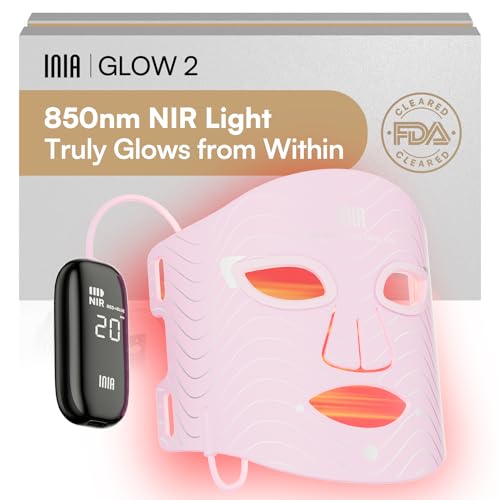
An LED face mask delivers light therapy at home. You wear it for a short timed session several times a week, and it shines specific wavelengths of light onto your skin. Red light (roughly 620–660nm) and near-infrared (830–850nm) are aimed at fine lines, wrinkles, and skin tone. Blue light (about 415–470nm) targets acne-prone skin, and amber or yellow (590–605nm) is usually offered for rejuvenation.

The masks in this category differ in a few practical ways:

  • Coverage: Some cover the face only. Others, such as the DR.IRIS and INTEO models, extend down to the neck, and INTEO's also reaches the upper chest.
  • Fit: Most are flexible silicone that sits against the skin. The iRestore mask is built to hover just above the face.
  • Wavelengths and modes: Options range from a simple three-mode setup to four or more wavelength combinations.
  • Controls: Timers, intensity levels, and how cordless the mask really is all vary.

All of these masks are rechargeable. Manufacturers generally describe visible changes building over several weeks of consistent use, not overnight.

Buying advice

What to look for

  • The right wavelengths for your goal. For lines and firmness, look for red plus near-infrared. For breakouts, make sure blue light is included. If you have both concerns, choose a mask that offers combined modes, such as the DR.IRIS or Wavytalk.
  • Coverage you'll actually use. If you care about the neck or chest, a face-only mask won't reach those areas.
  • Eye protection. Check for built-in eye blocking or included goggles and eye covers. This matters even more if you want to read or multitask during sessions.
  • Session flexibility. Timers range from fixed 10-minute sessions to 10–30 minute options. Adjustable intensity, offered on the Wavytalk and DR.IRIS masks, lets you start gently.
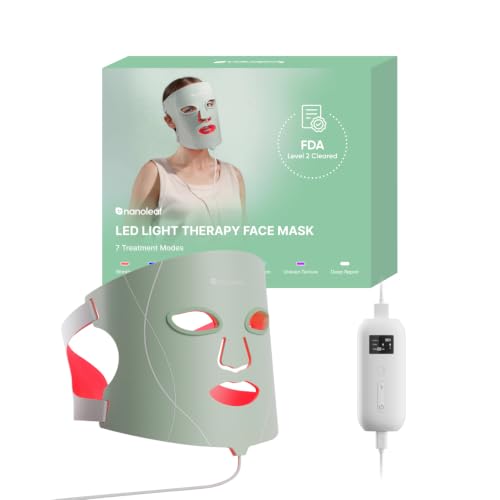
  • Charging and fit details. Some masks charge over USB-C but don't include a wall adapter. If you need a larger fit, Nanoleaf offers a strap extender on request.

Common mistakes

  • Judging by LED count alone. Brands count differently. Some multiply each multi-chip package by its number of chips, so a higher number doesn't automatically mean more coverage or power.
  • Comparing power claims at face value. Output figures like mW/cm² are manufacturer-stated and aren't always measured the same way.
  • Expecting quick results. Manufacturers point to roughly 4–10 weeks of use at 3–5 sessions per week. Skipping sessions undercuts that.
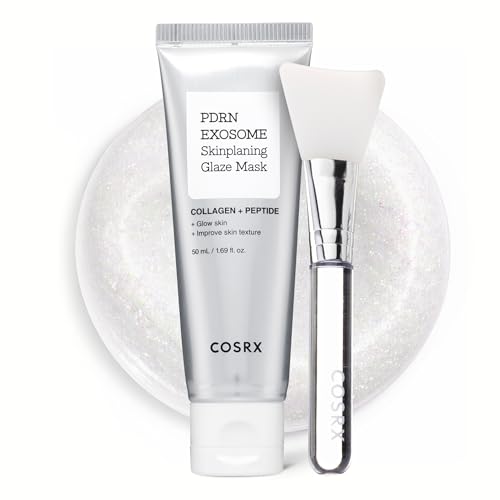
  • Buying the wrong kind of mask. Not everything listed under "face mask" is a light device. The COSRX product here, for example, is a peel-off skincare mask with no LEDs.
  • Skipping the manual. Follow the recommended session length and frequency, and don't simply max out the timer.